Why Preventive Home Maintenance Matters: Common Problems Homeowners Should Not Ignore
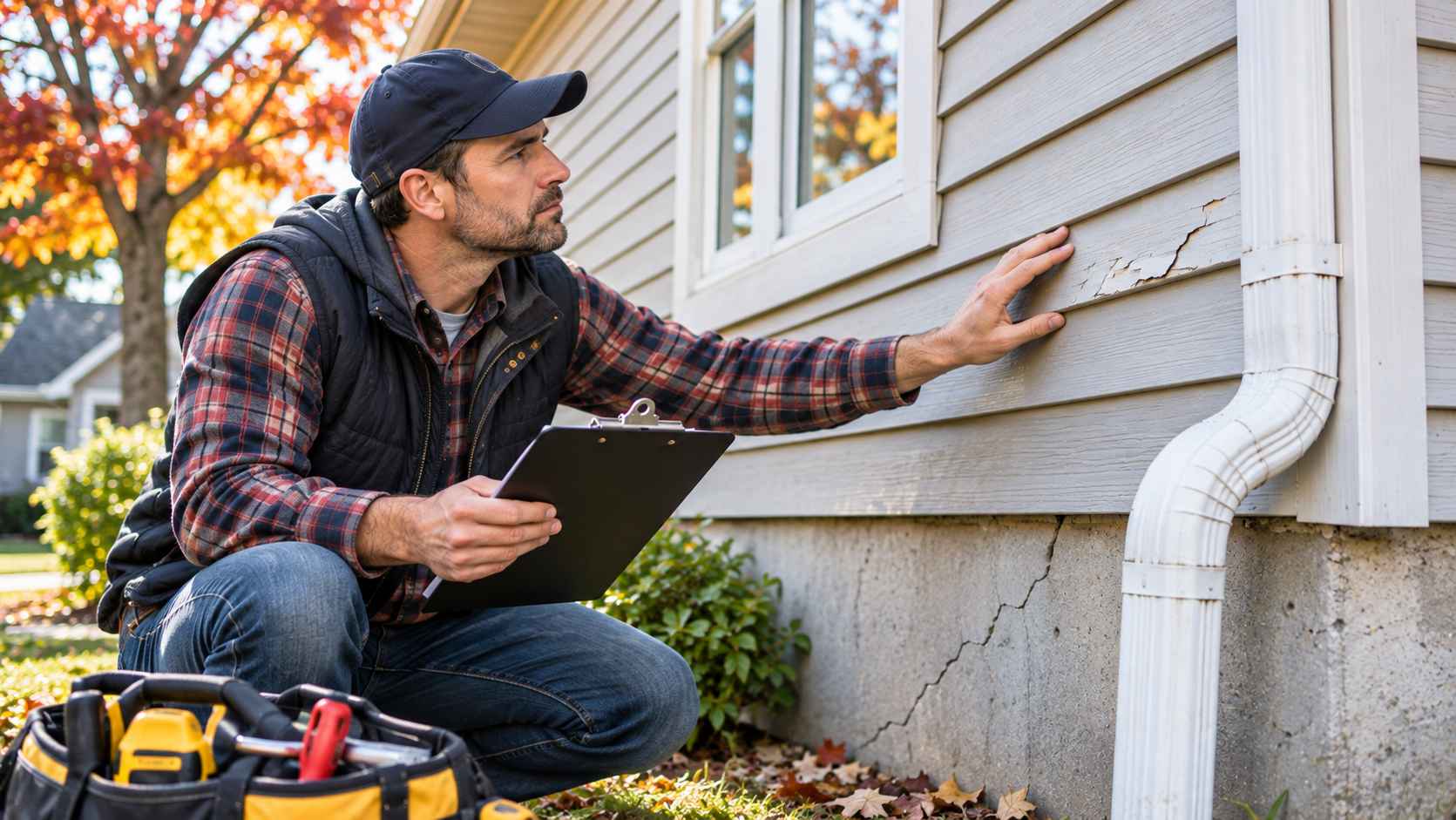
Home maintenance is an ongoing responsibility that helps protect a property’s condition, functionality, and appearance. While major renovations often receive attention, smaller maintenance concerns can be equally important. A loose siding panel, leaking eavestrough, or damaged exterior step may seem minor, but leaving these problems unaddressed can sometimes lead to more complicated repairs.
For Canadian homeowners, changing weather conditions make preventive maintenance particularly valuable. Cold winters, spring snowmelt, summer rainfall, and seasonal temperature fluctuations can affect exterior building materials and interior surfaces.
Regular inspections and timely repairs can help homeowners identify deterioration before it becomes more difficult to manage. Understanding which warning signs deserve attention is an important part of responsible property ownership.
How Canadian Weather Affects Residential Properties
Canadian homes experience significant seasonal weather changes that can influence the condition of building materials.
During winter, freezing temperatures and accumulated snow place additional demands on roofs, drainage systems, and exterior surfaces. When temperatures rise, melting snow can expose drainage problems or existing gaps in building materials.
Repeated freezing and thawing may also contribute to cracking in concrete, parging, and other exterior finishes.
Summer rainfall and humidity can create different maintenance concerns, particularly when moisture reaches areas that should remain protected.
Homeowners in Ottawa and the National Capital Region can benefit from inspecting their properties after major seasonal changes.
Local repair providers such as Gillespie Handyman Services assist homeowners with property maintenance and repairs involving common residential building components.
A seasonal inspection does not require extensive technical knowledge. Simply observing visible changes can help identify areas that may need further attention.
Common Signs of Exterior Siding Deterioration
Siding protects exterior walls from direct weather exposure while contributing to a home’s appearance.
Over time, siding materials may develop cracks, loose sections, warping, or surface deterioration.
Homeowners should look for panels that appear damaged, displaced, or separated from surrounding materials.
Visible gaps around windows, doors, and exterior connections may also deserve attention.
Depending on the circumstances, these openings can allow moisture to reach underlying materials.
Not every cosmetic imperfection indicates a serious problem. However, recurring damage, loose panels, or signs of moisture intrusion should be assessed.
After strong winds or severe weather, a ground-level visual inspection can help identify changes that require professional attention.
Why Damaged Soffits and Fascia Should Not Be Ignored
Soffits and fascia are important components of a home’s roofline.
Soffits are commonly installed beneath roof overhangs, while fascia boards cover exposed roof edges and often provide support for eavestroughs.
These components help protect roof edges and contribute to the building’s exterior finish.
Damaged soffits may affect ventilation or create openings where pests and moisture can enter.
Deteriorating fascia can also affect the stability of attached gutter systems.
Common warning signs include peeling finishes, visible cracks, loose panels, and areas that appear softened or damaged by moisture.
Because these components are often located at height, homeowners should avoid unsafe inspections or repairs involving ladders and roof edges.
Appropriate professional assessment can help determine whether repairs or replacement are necessary.
The Importance of Properly Functioning Eavestroughs
Eavestroughs and downspouts help direct rainwater and melting snow away from a property’s roof and foundation.
When these systems become blocked, damaged, or incorrectly positioned, water may overflow or collect near exterior walls.
Homeowners may notice leaking gutter joints, sagging sections, overflowing water, or downspouts that discharge too close to the building.
During heavy rainfall, observing how water moves around the property from a safe location can reveal potential drainage concerns.
Persistent pooling near the foundation should not be overlooked.
Properly functioning eavestroughs are especially important during Ottawa’s spring thaw, when melting snow can produce substantial runoff.
Routine inspections and appropriate maintenance help reduce the likelihood of avoidable drainage problems.
How Moisture Can Affect Drywall and Interior Finishes
Interior walls and ceilings can reveal signs of moisture-related problems.
Water stains, bubbling paint, discoloured drywall, and peeling finishes may indicate that moisture is entering an area where it should not be present.
Potential sources include plumbing leaks, roof damage, condensation, or inadequate drainage.
However, visible symptoms do not always reveal the underlying cause.
Simply repainting a stained surface may improve its appearance temporarily without resolving the moisture problem.
Homeowners should also pay attention to recurring stains, musty odours, or areas where drywall appears soft or swollen.
Minor cosmetic damage may be straightforward to address once the underlying issue is resolved.
Persistent moisture concerns, however, may require further investigation and specialized repair work.
Why Concrete Cracks and Parging Damage Deserve Attention
Concrete driveways, walkways, steps, and foundation surfaces are exposed to regular weather changes.
Small cracks and surface deterioration can develop over time through normal wear, movement, and freeze-thaw conditions.
Parging, the protective finishing layer commonly applied to exposed foundation surfaces, may also develop cracks or begin separating.
Not every small crack indicates a structural problem.
However, widening cracks, uneven surfaces, or repeated deterioration may require closer assessment.
Damaged steps and walkways can also create tripping hazards, particularly when surfaces become slippery during winter.
Homeowners should monitor visible changes and avoid assuming that surface patching will resolve every underlying concern.
Where significant movement or structural deterioration is suspected, an appropriately qualified professional should evaluate the condition.
Inspecting Decks, Steps, and Exterior Structures
Decks, stairs, railings, and other outdoor structures experience regular exposure to moisture, sunlight, and changing temperatures.
Wooden components may gradually develop cracks, splinters, loose connections, or signs of deterioration.
Homeowners should visually inspect deck boards, railings, stairs, and supporting components for noticeable damage.
Unstable railings or weakened steps deserve particular attention because they can affect safety.
Outdoor structures should also be checked after winter, when accumulated snow and moisture may have contributed to wear.
Minor surface maintenance may be manageable, but concerns involving structural supports or unstable components require professional assessment.
Affected areas should not be used when their safety is uncertain.
Routine Maintenance Versus Urgent Repairs
Understanding the difference between routine maintenance and urgent repairs helps homeowners prioritize their responsibilities.
Routine tasks may include inspecting exterior finishes, monitoring small surface cracks, refreshing paint, and arranging seasonal drainage maintenance.
These activities generally support the property’s ongoing condition.
More urgent concerns may involve active water leaks, unstable stairs, damaged electrical components, or visibly weakened structures.
Such situations may require immediate precautions and prompt attention from appropriately qualified professionals.
The urgency depends on the nature of the problem rather than its appearance alone.
For example, a small paint chip may be mainly cosmetic, while water entering through a similarly small opening could require more immediate investigation.
When Homeowners Should Contact Qualified Professionals
Some property maintenance tasks can be managed through basic observation and routine care.
However, repairs involving heights, electrical systems, structural components, or significant moisture problems may require specialized skills.
Homeowners seeking residential and commercial property repair services can review available assistance for siding, eavestroughs, drywall, concrete, and other maintenance concerns.
Before beginning repair or renovation work, safety considerations should also be reviewed.
Health Canada provides official guidance on chemical safety during renovations and DIY projects, including considerations involving household chemicals, protective equipment, older building materials, and potential exposure hazards.
Homeowners should follow product safety instructions and avoid disturbing suspected hazardous materials without appropriate professional assessment.
Choosing qualified assistance is particularly important when the repair involves risks that cannot be addressed safely through ordinary household maintenance.
Building a Practical Seasonal Maintenance Routine
A simple seasonal checklist can make preventive maintenance easier to manage.
In spring, homeowners can inspect exterior surfaces for winter damage, review drainage conditions, and check concrete walkways for new deterioration.
During summer, attention may shift toward exterior paint, siding, decks, windows, and other accessible outdoor components.
Fall is a useful time to inspect eavestroughs, weatherstripping, exterior openings, and visible roofline damage before freezing conditions return.
In winter, homeowners can monitor indoor condensation, drafts, water stains, and unusual ice accumulation from safe locations.
Keeping photographs and basic maintenance records can help identify changes over time.
This approach allows repairs to be prioritized according to condition, safety, and practical need.
Conclusion: Preventive Maintenance Supports Better Property Care
Preventive home maintenance is an important part of protecting residential properties from everyday wear and seasonal weather exposure.
Inspecting siding, soffits, fascia, eavestroughs, drywall, concrete, decks, and exterior structures can help homeowners recognize developing concerns.
Not every minor defect requires immediate repair, but persistent damage and safety-related problems should receive appropriate attention.
By following a consistent maintenance routine, documenting visible changes, and arranging qualified assistance when necessary, homeowners can manage property responsibilities more effectively.
Ultimately, preventive maintenance is about addressing reasonable concerns at the right time and keeping a home functional, comfortable, and properly maintained throughout the year.